Your Comprehensive Resource for Concrete Companies: Solutions for Driveways, Patios, and Repairs
When thinking about concrete services for driveways, patios, or repairs, it is essential to assess potential companies carefully. Their expertise, completed projects, and client feedback can disclose significant information about their credibility. Additionally, understanding the diverse types of concrete and what each company provides can assist in making an informed decision. However, knowing how to make a wise choice isn't always clear-cut, and there are significant aspects that could affect the outcome of the project substantially.
Understanding Different Categories of Concrete
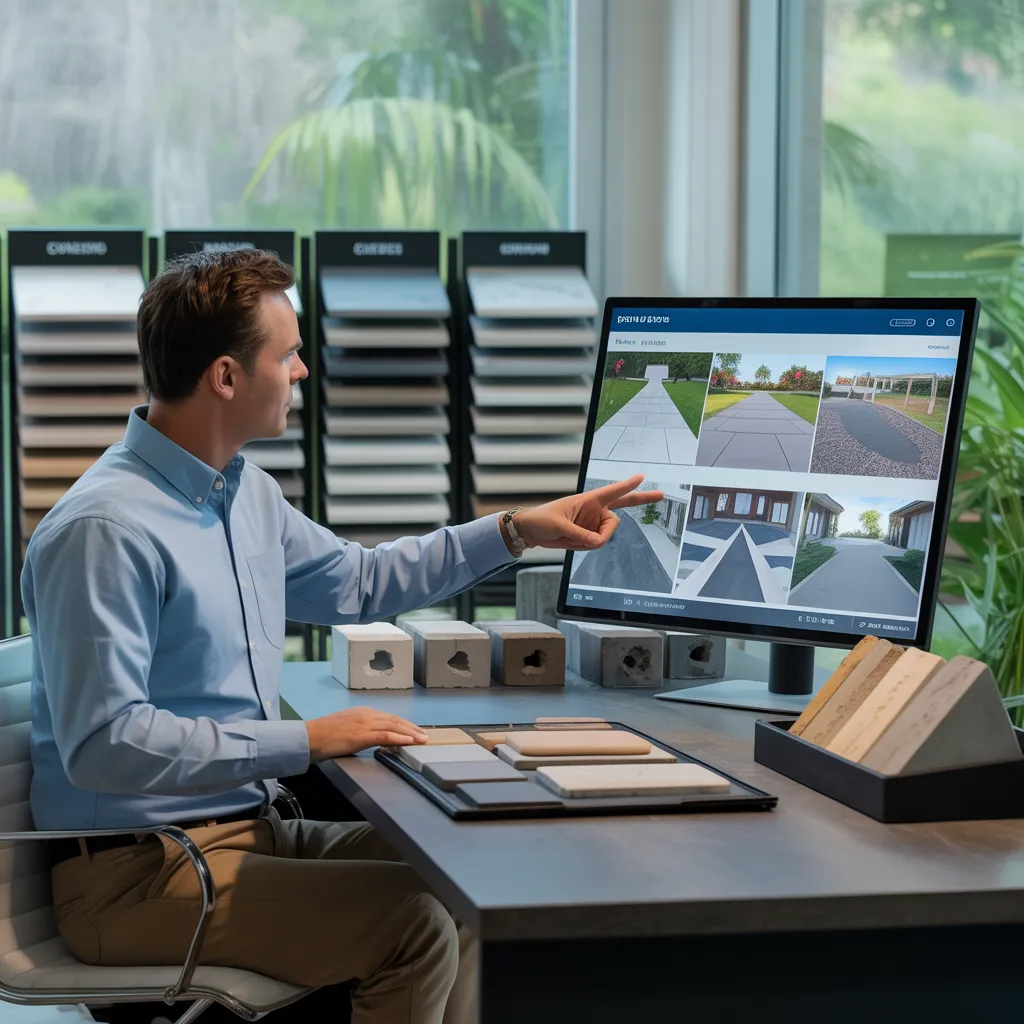
What distinguishes one type of concrete from another? The variations primarily come from the mix of materials used, intended application, and specific properties required for performance. Standard concrete, commonly used for sidewalks and foundations, is made up of cement, water, and aggregates. Its durability makes it ideal for structural purposes. In contrast, decorative concrete includes additives and surface treatments, improving aesthetic appeal for patios and driveways. High-strength concrete, engineered with a higher cement-to-water ratio, delivers exceptional load-bearing capabilities, ideal for commercial buildings and bridges. Another variant, lightweight concrete, includes expanded aggregates, reducing weight while maintaining strength, making it well-suited for precast elements. Finally, pervious concrete enables water to permeate, assisting with drainage and reducing runoff. Each type serves distinct functions, highlighting the importance of understanding concrete variations for successful application in construction and design.
Choosing the Right Concrete Company
While selecting a concrete company, it is necessary to evaluate their experience and expertise in the industry. Furthermore, assessing pricing and services offered by multiple providers can help secure a good fit for specific project needs. Making educated decisions can result in successful outcomes and excellent results.
Examining Experience and Expertise
Picking the right concrete company copyrights on examining their experience and expertise. Future clients should look for companies with a solid reputation in concrete installation and repair, as this often reflects their ability to handle diverse projects effectively. It is crucial to ask about the years of operation and the qualifications of their team members. Certifications and training can show a commitment to industry standards. Furthermore, reviewing portfolios of previous work permits clients to evaluate craftsmanship and style. Customer testimonials and references give insight into reliability and professionalism. Ultimately, a company's experience and expertise can greatly influence the quality of the final product, ensuring that the investment in concrete work satisfies expectations and stands the test of time.
Comparing Service Costs and Offerings
How might future clients establish the best value for their concrete needs? To make an informed decision, clients should acquire detailed quotes from multiple concrete companies. These quotes should detail not only the cost but also the specific services included, such as materials used, labor charges, and any additional fees. Comparing these elements allows clients to assess the overall value rather than just the price. Clients should also consider the business's credibility, warranty offerings, and customer reviews. Engaging in direct conversations with companies can resolve any uncertainties and reveal their willingness to accommodate specific requests. Ultimately, a balanced consideration of pricing and services will lead to selecting the most suitable concrete company for individual projects.
Installing Your Driveway: What You Can Anticipate
What aspects impact the process of driveway installation? Various key elements are involved, including the type of materials chosen, the size and design of the driveway, and area weather conditions. Homeowners need to first analyze their unique needs, such as durability and aesthetics, which guide material decisions like concrete, asphalt, or pavers.
Next, proper site preparation is vital. This includes grading and compacting the soil to ensure stability. The installation timeline can vary, often based on weather; for instance, rain can postpone concrete curing.
During the installation phase, skilled concrete companies will normally pour the material, guaranteeing adequate thickness and drainage. Property owners can anticipate the procedure lasting one to three days, based on the intricacy and dimensions. Lastly, the curing period is crucial; concrete might need several days before vehicles can use it, ensuring durability and performance.
Creating Your Ultimate Patio
While picturing a perfect patio, homeowners should think about their lifestyle and the intended use of the space. A carefully crafted patio functions as an extension of the home, delivering an area for rest, entertaining, and enjoying the outdoors. Essential considerations to consider include size, layout, and materials. For limited spaces, a warm, inviting design with comfortable seating can create an inviting atmosphere. Conversely, larger patios can accommodate alfresco dining areas and outdoor kitchens, enhancing social gatherings.
Choosing long-lasting materials is essential for longevity and maintenance. Concrete, for example, offers flexibility in design and can replicate the appearance of natural stone or wood. Moreover, incorporating vegetation through planters or surrounding landscapes can temper hard surfaces and create a balanced environment. Lighting plays a crucial role as well, with options spanning from ambient string lights to functional fixtures, guaranteeing the space remains accessible during evening hours. Finally, considered design can transform a patio into a personal oasis.
Popular Concrete Repair Methods
Concrete surfaces can develop issues over time, demanding efficient repair solutions to restore their integrity and appearance. Standard repair methods include crack sealing, where professional-grade materials fill and seal cracks to avoid further damage. Patching consists of applying a concrete mix to compromised areas, efficiently smoothing out imperfections. For more significant damage, resurfacing can renew the entire surface, creating a new layer that increases aesthetics and durability.
Another solution is mudjacking, which raises sunken concrete slabs by forcing a mixture of cement and soil beneath them. This method restores uneven surfaces, ensuring safety and functionality. Lastly, concrete overlays can supply a decorative finish while strengthening the existing structure. Each of these solutions addresses specific problems and can complete information improve the lifespan of concrete surfaces, making them important for homeowners and businesses looking to maintain their properties effectively.
Care Tips for Maximum Lifespan
To ensure the longevity of concrete surfaces, establishing a consistent maintenance routine is essential. Consistent cleaning is critical; removing dirt, debris, and stains stops deterioration. A mild power wash or a simple scrub with soap and water can maintain the look and durability.
Applying sealant to concrete surfaces every couple of years shields from moisture and chemical damage. This barrier aids in reducing cracking and improves durability. Furthermore, repairing minor cracks promptly with appropriate sealants can prevent them from worsening and causing costly repairs.
Maintaining your surface seasonally is equally crucial. Throughout winter, utilizing non-corrosive de-icers provides protection from freeze-thaw cycles, while summer should focus on minimizing exposure to harsh sunlight through shade or protective coatings.
Lastly, consistent examinations for signs of wear or damage facilitate quick interventions, guaranteeing that concrete surfaces continue to be serviceable and visually appealing for numerous years to come.
FAQ
What's the Required Curing Duration for Concrete Before Using?
Concrete usually needs around 28 days to completely cure before it can be utilized properly. Nevertheless, initial setting occurs within a few hours, permitting light foot traffic after about 24 to 48 hours, depending on conditions.
Can I Pour Concrete in Cold Weather?
While it's possible to pour concrete in cold weather, specific safety measures must be implemented. The use of heated materials, concrete additives, and insulating blankets helps guarantee correct curing and structural integrity, avoiding cracks and additional problems related to cold conditions.
What Is the Cost per Square Foot for Concrete?
Concrete costs per square foot generally range from $3 to $10, influenced by factors such as location, type of concrete, and project complexity. Special features, for example stamping or coloring, can elevate overall costs.
Are There Eco-Friendly Concrete Options Available?
Yes, eco-friendly concrete options are available, including recycled aggregates, fly ash, and alternative binders. These materials lower environmental harm by reducing carbon emissions and minimizing waste, providing sustainable alternatives for construction and renovation projects.
How Can I Select the Right Concrete Finish?
To pick the right concrete finish, consider design choices, durability requirements, slip resistance, and maintenance requirements. Consulting with professionals and examining sample finishes can also assist in making an informed decision.